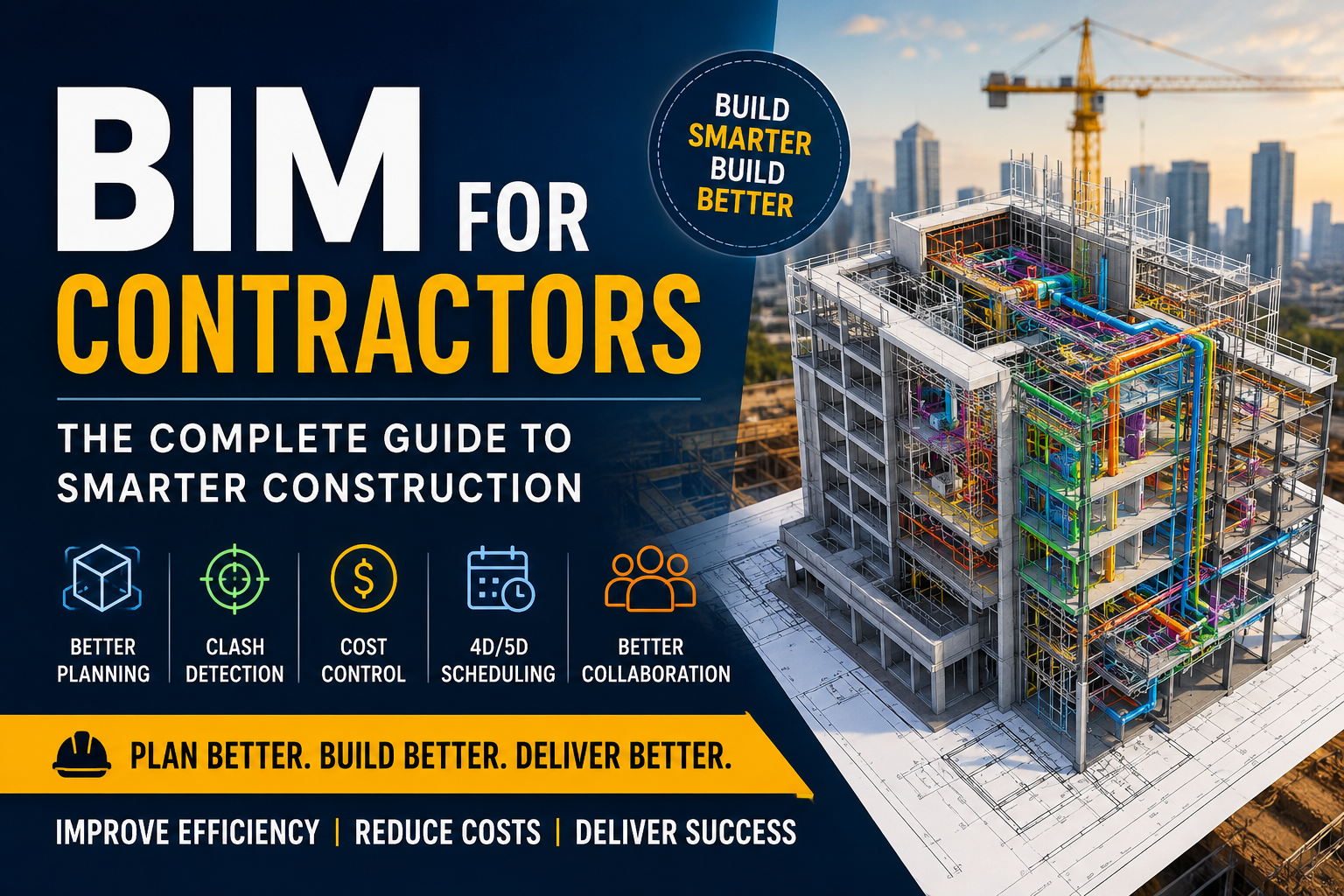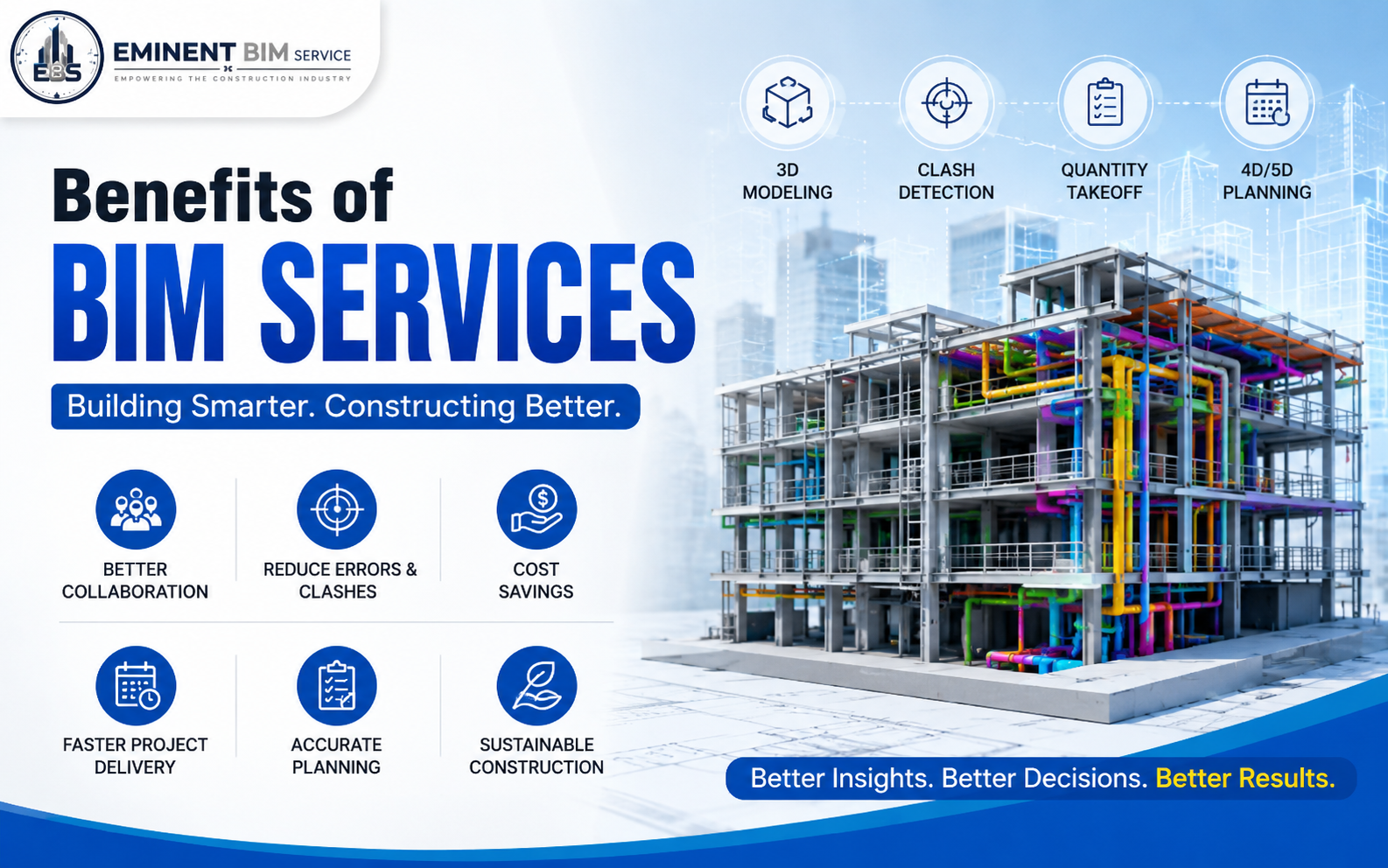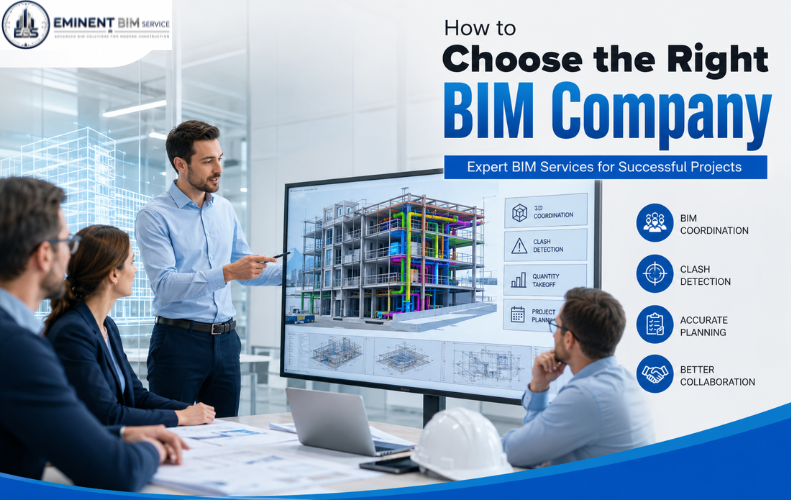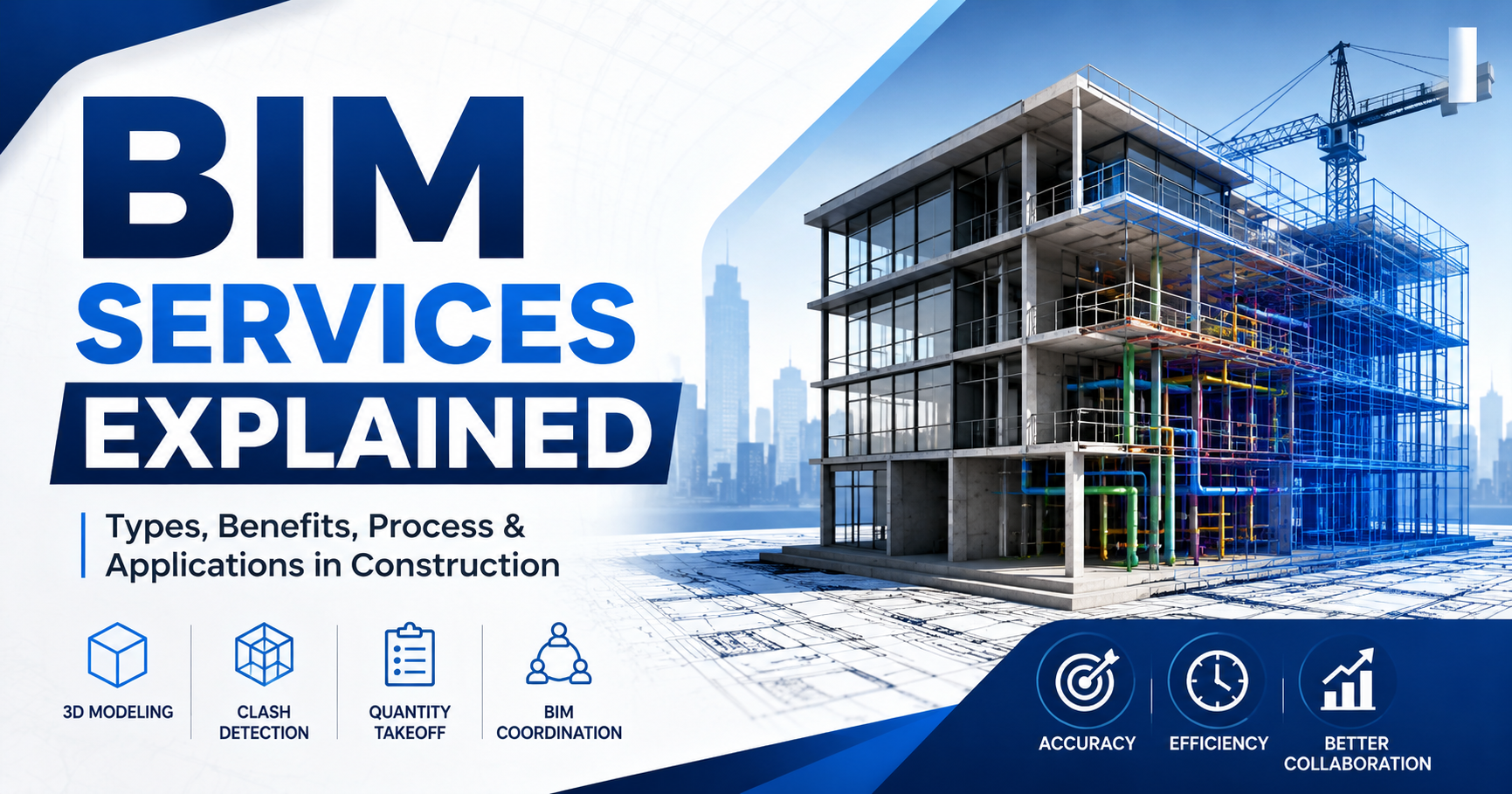
Benefits of BIM Services: Transforming the Future of Construction.
The construction industry has evolved dramatically over the past decade. Traditional design and construction methods often lead to costly errors, project delays, and communication gaps between stakeholders. Today, Building Information Modeling (BIM) has become the industry standard for delivering smarter, faster, and more efficient construction projects.
Whether you're an architect, engineer, contractor, developer, or facility manager, BIM services provide significant advantages throughout the entire project lifecycle—from planning and design to construction and facility management.
In this article, we'll explore the key benefits of BIM services and explain why organizations around the world are investing in BIM to improve project outcomes.
What Are BIM Services?
Building Information Modeling (BIM) is a digital process that creates intelligent 3D models containing detailed information about every component of a building. Unlike traditional 2D drawings, BIM combines geometry, materials, quantities, schedules, costs, and operational data into a single collaborative model.
Professional BIM services typically include:
1.Architectural BIM Modeling
2.Structural BIM Modeling
3.MEP BIM Modeling
4.Clash Detection
5.Shop Drawings
6.Scan to BIM
7.BIM Coordination
8.Quantity Takeoff
9.Construction Documentation
10.As-Built Modeling
11.Facility Management Models
These services enable project teams to work from a shared source of accurate information.
Top Benefits of BIM Services
1. Improved Collaboration Across Teams: Construction projects involve multiple stakeholders working simultaneously. Architects, structural engineers, MEP consultants, contractors, and project owners all need accurate information.
BIM provides a centralized digital model where every stakeholder works from the latest project data. This minimizes communication errors and eliminates confusion caused by outdated drawings.
Benefits include:
1.Better coordination
2.Faster approvals
3.Reduced misunderstandings
4.Improved transparency
5.Seamless teamwork
2. Early Clash Detection:
One of the biggest causes of construction delays is design conflicts.
For example:
HVAC ducts intersect structural beams.
Plumbing conflicts with electrical conduits.
Ceiling heights become insufficient after MEP installation.
BIM software identifies these clashes before construction begins, allowing teams to resolve issues digitally rather than on-site.
This results in:
1.Lower rework costs
2.Fewer construction delays
3.Better installation accuracy
4.Improved project quality
3. Reduced Construction Costs:
Mistakes made during construction are expensive.
Because BIM identifies design errors early, project teams avoid unnecessary material waste, labor costs, and schedule disruptions.
Cost savings come from:
1.Accurate quantity takeoffs
2.Better procurement planning
3.Reduced change orders
4.Efficient resource utilization
5.Minimized rework
Many organizations report significant cost reductions after implementing BIM workflows.
4. Faster Project Delivery:
Time is one of the most valuable resources in construction.
BIM streamlines project execution by improving coordination and reducing delays caused by design revisions.
With BIM, teams can:
Complete design reviews faster
Automate documentation
Improve communication
Reduce RFIs
Accelerate approvals
The result is shorter construction schedules and faster project completion.
5. Enhanced Visualization:
Traditional 2D drawings can be difficult for clients and stakeholders to interpret.
BIM creates intelligent 3D models that make it easier to visualize the final building before construction begins.
Advantages include:
Better client presentations
Faster decision-making
Improved stakeholder engagement
Easier design validation
Reduced design revisions
Clients gain greater confidence because they can clearly understand the finished project.
6. Accurate Quantity Takeoffs:
Estimating construction materials manually is time-consuming and prone to errors.
BIM automatically generates precise quantities for:
Concrete
Steel
Reinforcement
Pipes
Cable trays
HVAC components
Finishes
Doors and windows
This improves budgeting, procurement, and inventory management.
7. Better Construction Planning:
Modern BIM services extend beyond 3D modeling.
By integrating time and cost information, project teams can create:
4D BIM (Scheduling)
5D BIM (Cost Estimation)
These models help managers visualize construction sequences, optimize resource allocation, and monitor project progress more effectively.
8. Improved Quality Control:
Because BIM models contain highly detailed information, they reduce ambiguity in construction documents.
Benefits include:
Higher construction accuracy
Standardized workflows
Better installation quality
Reduced inspection failures
Improved compliance
Quality improves at every stage of the project.
9. Enhanced Facility Management:
The value of BIM continues even after construction is complete.
Facility managers can use BIM models to access:
Equipment information
Maintenance schedules
Warranty details
Asset locations
Building systems
This simplifies building operations and reduces long-term maintenance costs.
10. Sustainable Construction:
Sustainability is becoming a top priority for the construction industry.
BIM supports greener building practices by enabling:
Energy analysis
Daylight simulations
Material optimization
Waste reduction
Carbon footprint assessments
This helps organizations achieve sustainability goals while reducing operational costs.
Real-World Example
Imagine a 20-story commercial office building.
Without BIM:
Multiple design conflicts occur.
Construction is delayed.
Material waste increases.
Project costs rise significantly.
With BIM:
Design clashes are detected early.
Teams coordinate efficiently.
Construction proceeds smoothly.
Costs remain under control.
The project is delivered on schedule.
This illustrates why BIM has become essential for modern construction projects.
Industries That Benefit from BIM Services
BIM is widely used across various sectors, including:
Residential Buildings
Commercial Offices
Hospitals
Educational Institutions
Airports
Hotels
Industrial Plants
Manufacturing Facilities
Infrastructure Projects
Government Buildings
Regardless of project size, BIM enhances efficiency and collaboration.
Why Choose Professional BIM Services?
Experienced BIM professionals ensure that models meet industry standards and project requirements.
A reliable BIM service provider offers:
High-quality 3D models
Accurate documentation
International BIM standards
Faster turnaround times
Cost-effective solutions
Experienced multidisciplinary teams
Choosing the right partner can significantly improve project outcomes and reduce risks.
Frequently Asked Questions
1. What is the biggest benefit of BIM services?
The biggest advantage is improved collaboration, which reduces errors, minimizes rework, and enhances overall project efficiency.
2.Can BIM reduce construction costs?
Yes. BIM identifies design conflicts early, improves planning, and generates accurate material quantities, helping reduce unnecessary expenses.
3.Is BIM suitable for small projects?
Absolutely. BIM delivers value for projects of all sizes by improving coordination, visualization, and documentation.
4.Which industries use BIM?
Architecture, engineering, construction, infrastructure, manufacturing, healthcare, education, and facility management all benefit from BIM.
5.Does BIM improve project quality?
Yes. BIM provides accurate digital models that enhance design coordination, reduce errors, and support better quality control throughout the project lifecycle.
Final Thoughts
Building Information Modeling is no longer just an advanced design tool—it has become a fundamental part of modern construction. By improving collaboration, reducing costs, minimizing errors, and streamlining project delivery, BIM services help organizations build smarter and more efficiently.
As construction projects become increasingly complex, investing in professional BIM services is one of the most effective ways to improve productivity, enhance quality, and achieve long-term project success.
Ready to Transform Your Construction Projects?
Whether you need Architectural BIM, Structural BIM, MEP BIM, Clash Detection, Scan to BIM, Shop Drawings, or BIM Coordination, our experienced team delivers accurate, reliable, and cost-effective BIM solutions tailored to your project needs.
Contact us today to learn how our BIM services can help you reduce costs, improve collaboration, and deliver successful projects on time.